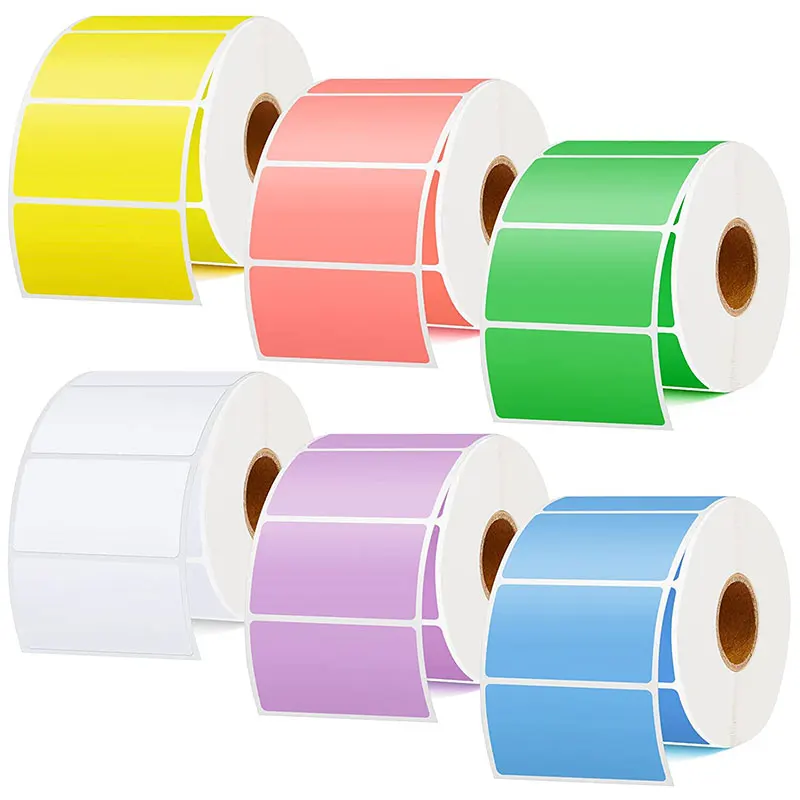
When it comes to outdoor equipment, infrastructure, or exterior product branding, the environment is a relentless adversary. Sun, rain, fluctuating temperatures, and abrasive debris constantly work to degrade the materials we use for identification. Standard paper labels, which might perform perfectly in a climate-controlled office, will fail within hours when exposed to the elements. This is why understanding how to choose high-quality waterproof adhesive labels is more than just a matter of aesthetics; it is a critical requirement for safety, compliance, and brand reputation. Selecting the right materials ensures that vital information remains legible and that the bond between the label and the substrate stays intact regardless of the weather.
The Resilience of Outdoor Adhesive Labels Against Environmental Stress
The primary challenge of any external application is the sheer variety of stressors the label must survive. True outdoor adhesive labels are engineered to be multi-functional. They must possess a moisture barrier to prevent liquid penetration, but they also require a high level of UV resistance. Ultraviolet rays from the sun are notoriously destructive to chemical bonds, often causing standard inks to fade and cheap adhesives to become brittle or “yellow.” When searching for a solution, it is vital to look for products specifically rated for long-term exterior exposure.
A robust outdoor label system relies on a specialized topcoat that acts as a shield. This layer protects the printed information from the “sandblasting” effect of wind-blown dust and the corrosive nature of saltwater in coastal environments. Furthermore, the adhesive itself must be formulated to maintain its elasticity. In outdoor settings, materials expand and contract as they heat up during the day and cool down at night. If the outdoor adhesive labels lack this flexibility, the constant movement of the surface will cause the adhesive to “crack” and lose its grip, leading to premature failure.
Engineering Durability with High-Performance Waterproof Adhesive Stickers
In many casual applications, the terms labels and stickers are used interchangeably, but in a technical context, waterproof adhesive stickers often refer to products that require a higher degree of conformability. These are frequently used on curved surfaces, such as pipes, helmets, or rounded machinery components. To achieve true waterproof status, the material must be non-porous. Synthetic substrates like polyester or polypropylene are the gold standard here, as they do not absorb moisture, which prevents the “wicking” effect where water enters through the edges and dissolves the bond from the inside out.
The effectiveness of waterproof adhesive stickers is also determined by the chemical nature of the adhesive. Most high-end waterproof options utilize an acrylic-based pressure-sensitive adhesive. Unlike rubber-based glues, acrylics are remarkably stable when exposed to water and heat. They do not turn into a gooey mess when wet, nor do they dry out and flake off in arid conditions. This makes them the ideal choice for marine environments, garden centers, and construction sites where the labels are guaranteed to face wet conditions on a daily basis.
Defining the Standards for Durable Adhesive Labels in Industrial Settings
In the world of asset management and heavy industry, the term durable adhesive labels carries a specific weight. These are labels designed to last for years, not just months. Durability in this context refers to “extreme resistance.” This includes resistance to chemical splashes, such as oil, grease, or cleaning solvents, which are common in industrial outdoor settings. If a label on an electrical transformer or a chemical drum becomes unreadable due to a minor spill, the consequences can be catastrophic.
To ensure you are selecting the best durable adhesive labels, you must consider the “service temperature range.” This is the spectrum of temperatures the label can withstand once it has been applied and the bond has fully cured. High-quality industrial labels can often survive temperatures ranging from well below freezing to over the boiling point of water. This thermal stability prevents the face stock from warping or shrinking, which is a common cause of “edge lifting.” By prioritizing these heavy-duty specifications, businesses can reduce the labor costs associated with constantly replacing failed markers.
The Versatility and Strength of Custom Vinyl Adhesive Labels
Among all the synthetic materials available for outdoor use, vinyl remains a top contender for those seeking a balance between flexibility and toughness. Custom vinyl adhesive labels are particularly valued for their “stretchability.” Because vinyl is a highly conformable plastic, it can be applied over rivets, seams, and textured surfaces that would cause stiffer materials to pop off. This makes vinyl the preferred choice for vehicle decals, outdoor signage, and equipment branding where the surface is rarely perfectly flat.
The “custom” aspect of custom vinyl adhesive labels allows for the integration of specialized inks and laminates. For example, a business can opt for a matte finish to reduce glare in bright sunlight, making the text easier to read, or a high-gloss laminate for extra thickness and scratch resistance. Because vinyl is naturally resistant to moisture and many chemicals, it provides a reliable foundation for any outdoor project. When combined with a high-tack permanent adhesive, vinyl labels become nearly impossible to remove without specialized tools, providing an added layer of security against tampering or accidental peeling.
Strategic Application Techniques for Long-Term Adhesion
Even the most advanced waterproof adhesive labels will fail if they are applied incorrectly. The secret to long-term success lies in surface preparation. Outdoor surfaces are often coated in a fine layer of oxidation, dust, or oily residue that acts as a barrier between the adhesive and the substrate. Before application, the surface should be cleaned with a solvent like isopropyl alcohol to ensure a “pure” bond. It is also essential to apply the label during a window of dry weather; if moisture is trapped under the label during the application process, it will create “bubbles” that eventually lead to failure.
Furthermore, the “dwell time” is a factor that many users overlook. While waterproof adhesive labels are pressure-sensitive and stick instantly, the chemical bond continues to strengthen over the first twenty-four to seventy-two hours. During this period, the adhesive “flows” into the microscopic valleys of the surface. If a label is exposed to a heavy rainstorm or extreme heat immediately after application, the bond may not be strong enough to resist. Planning the application during a period of moderate weather can significantly extend the life of the label.
 +86-15625231989
 deborra@dcolorpaper.com